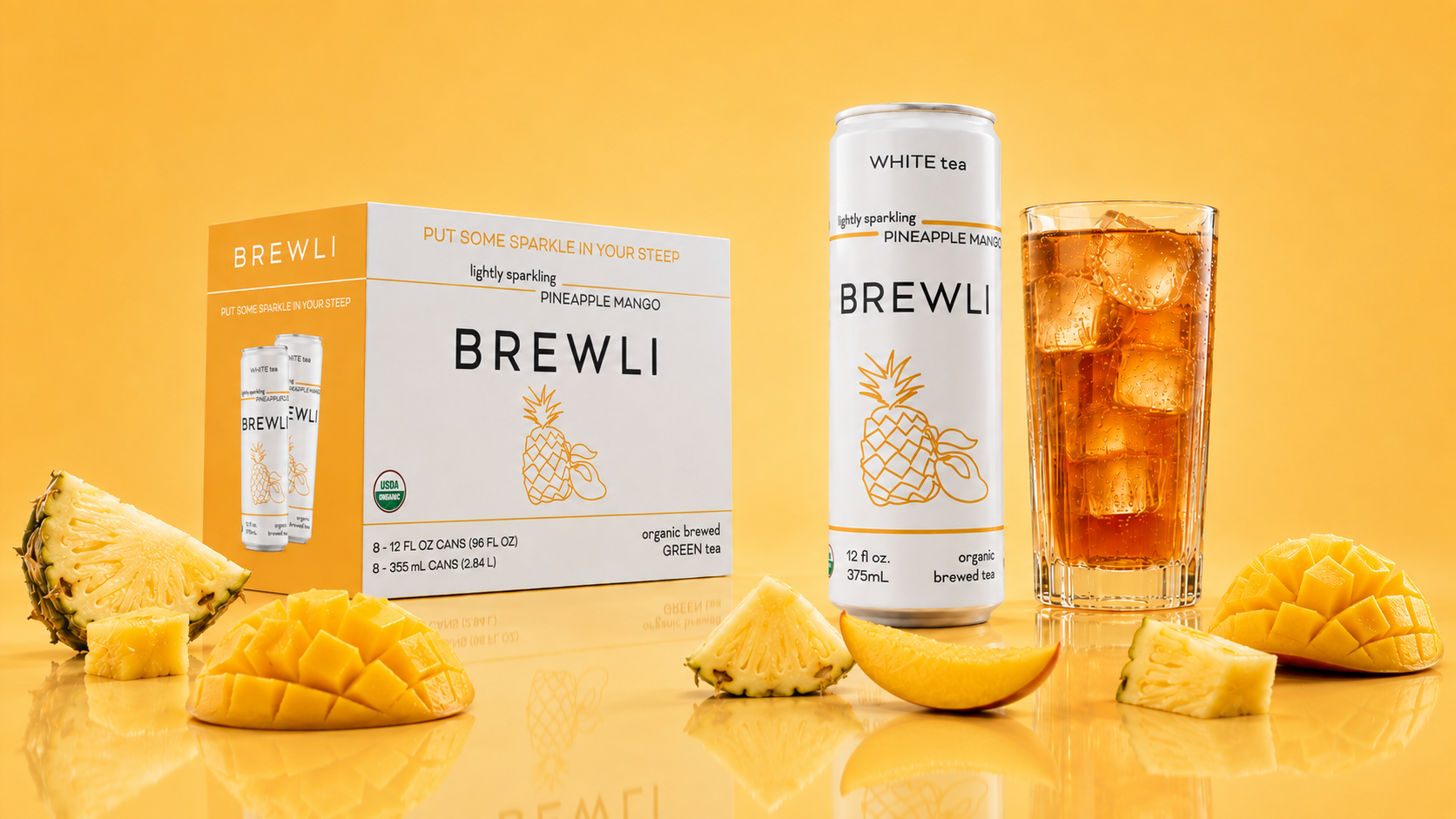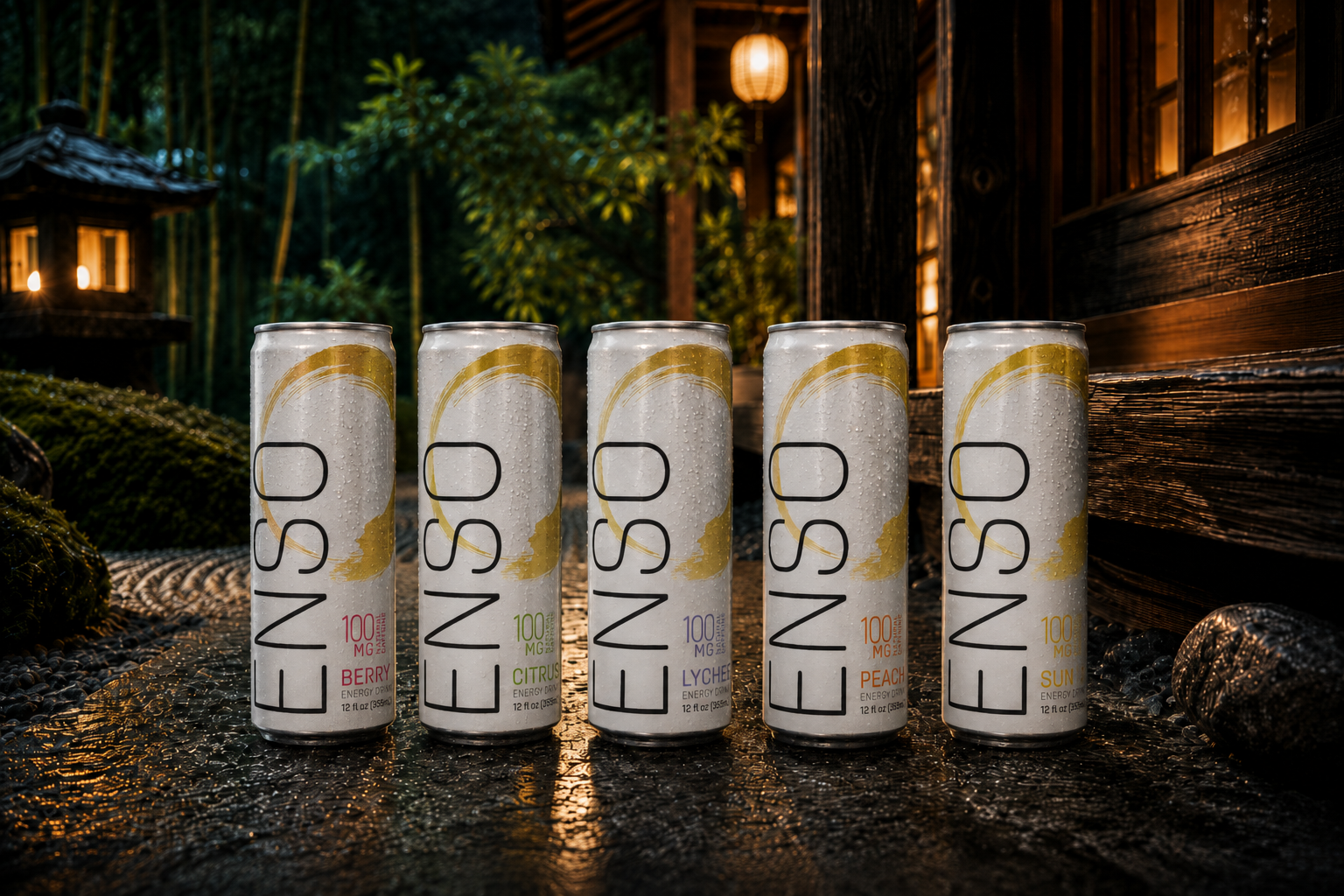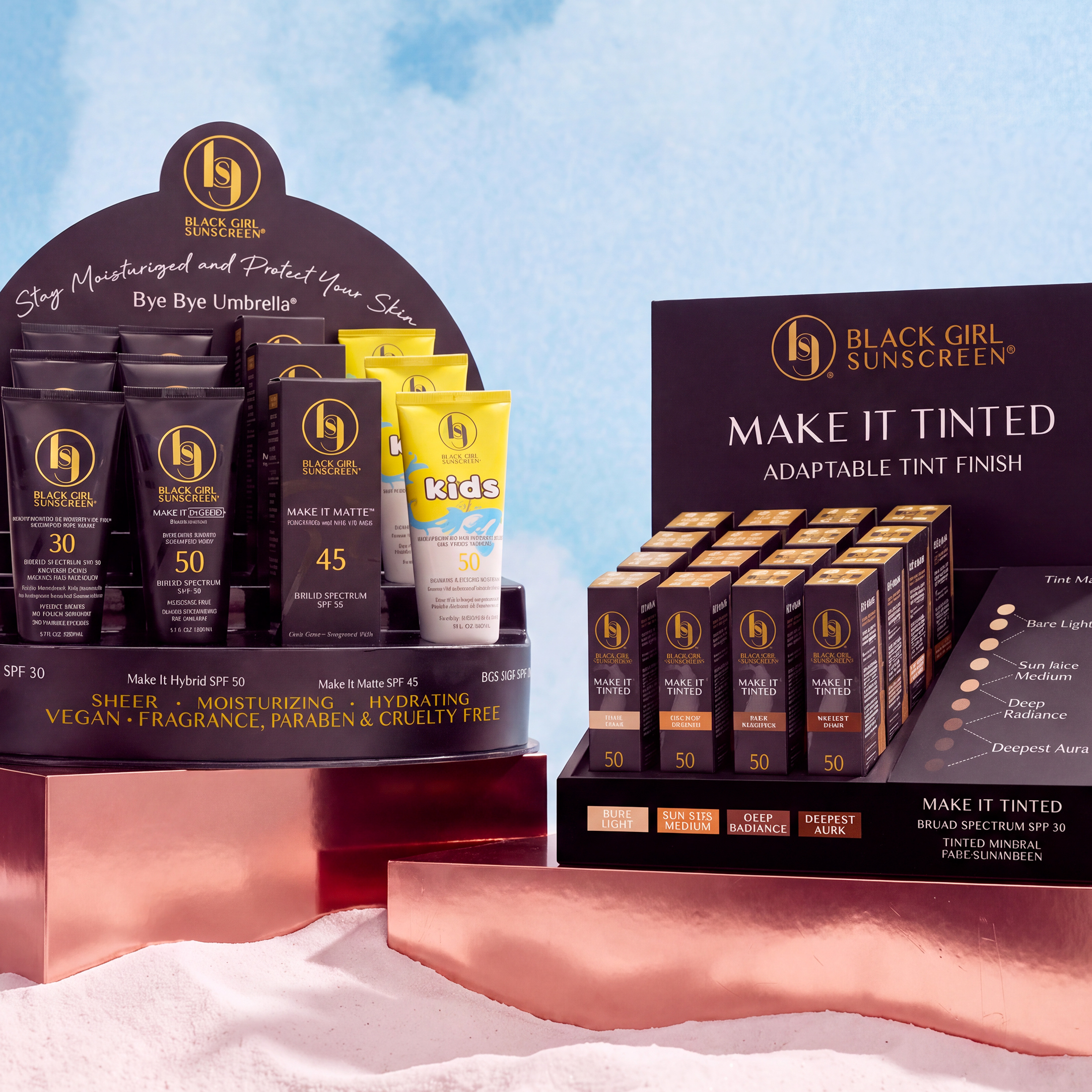
Packaging does more than hold a product.
Sometimes it introduces the brand before the customer ever touches what is inside.
That becomes especially important with custom boxes, gift sets, presentation packaging, ecommerce shipments, subscription products, influencer kits, and premium consumer goods.
In these situations, the experience does not begin with the product.
It begins with the package.
That is where custom packaging and the unboxing experience become part of the brand itself.
Custom packaging starts with purpose
A custom box should not exist simply because a standard box feels boring.
Before designing one, ask what the packaging actually needs to accomplish.
Is it meant to:
- protect the product?
- organize several items?
- create a premium presentation?
- support retail display?
- ship directly to consumers?
- introduce a new product?
- create a memorable gift experience?
- support PR or influencer outreach?
- communicate instructions or product benefits?
The purpose affects everything from the structure and materials to the printing, inserts, opening sequence, and cost.
Good custom packaging begins with function, then turns that function into an experience.
Structure and graphics should work together
With standard packaging, the designer is often working within a structure that already exists.
Custom packaging creates more possibilities.
The box itself can become part of the design.
That might involve:
- a folding carton
- a rigid box
- a sleeve
- a tray
- an insert
- a presentation box
- a multipack
- a gift set
- a custom shipping box
- multiple pieces working together
The structure determines how the customer interacts with the package.
Graphics determine how that interaction feels.
The strongest results happen when those two things are developed together rather than treating the structure as an afterthought.
The unboxing experience begins before the box opens
Unboxing is often discussed as though it means tissue paper and a thank-you card.
It is much broader than that.
The experience starts the moment the customer sees the package.
What do they notice first?
What does the exterior communicate?
Does it feel premium, playful, technical, natural, minimal, energetic, or luxurious?
What happens when they lift the lid?
Is there another message inside?
Is the product immediately visible, or is there a deliberate reveal?
Does the interior feel considered?
Does each piece have a place?
The sequence matters because each step creates another opportunity to reinforce the brand.
Use the inside of the package
One of the most overlooked opportunities in custom packaging is the interior.
Exterior graphics have to perform many jobs at once.
The inside can often speak more directly.
It might include:
- a brand message
- usage instructions
- a product story
- a QR code
- social information
- a cross-sell
- a welcome message
- a campaign statement
- an unexpected graphic moment
That interior space can turn a functional box into something that feels intentional.
And because the customer has already chosen the product, the communication can be different from what would appear on the retail-facing exterior.
Materials change how a brand feels
Packaging materials communicate before the customer reads a word.
A lightweight folding carton creates a different impression from a rigid box.
Uncoated paper feels different from a high-gloss finish.
Natural kraft communicates something different from metallic foil or soft-touch laminate.
The right material should support the brand positioning, product needs, production method, and budget.
More expensive is not automatically better.
A simple structure made from the right material and designed thoughtfully can feel more premium than an overengineered package covered in unnecessary finishes.
The goal is cohesion.
Special finishes should have a reason
Foil, embossing, spot varnish, metallic inks, soft-touch coatings, and other finishing techniques can elevate custom packaging.
They can also turn into decoration for decoration’s sake.
Use finishes to reinforce something meaningful.
A gloss detail might draw attention to a logo.
Embossing might make a minimal package feel tactile.
Foil might support a luxury positioning.
A contrasting matte and gloss treatment can create depth without adding more graphic clutter.
The finish should support the concept, not compete with it.
Think about the product after the photograph
Custom packaging often looks wonderful in presentations and product photography.
But it still has to function after launch.
Consider:
- how it will be assembled
- how the product will be inserted
- how it will ship
- whether components can move in transit
- how much storage space it requires
- whether the structure is practical for fulfillment
- whether materials are readily available
- how many units need to be produced
- how easily the package can scale
A beautiful box that is difficult or expensive to assemble thousands of times may not be a beautiful business decision.
Production realities should be part of the design conversation early.
Not every product needs an elaborate unboxing experience
This is important.
Not every package needs layers, ribbons, inserts, hidden messages, and cinematic reveals.
Sometimes the best experience is opening a beautifully designed carton and immediately finding exactly what you bought.
The goal is not complexity.
The goal is intention.
A strong unboxing experience feels appropriate to the product, the audience, and the brand.
It should make the customer feel that someone thought about the details.
Design beyond the container
Custom packaging gives brands an opportunity to turn a necessary object into a memorable brand moment.
The box, materials, graphics, structure, finishes, and opening sequence can all communicate something.
When those elements work together, packaging becomes more than a container.
It becomes part of the product experience.
And sometimes, the moment before the customer reaches the product is the moment they remember most.
Planning custom packaging, boxes, or a branded unboxing experience? Book a 15-minute consultation with Pixellent Design to talk through the possibilities.