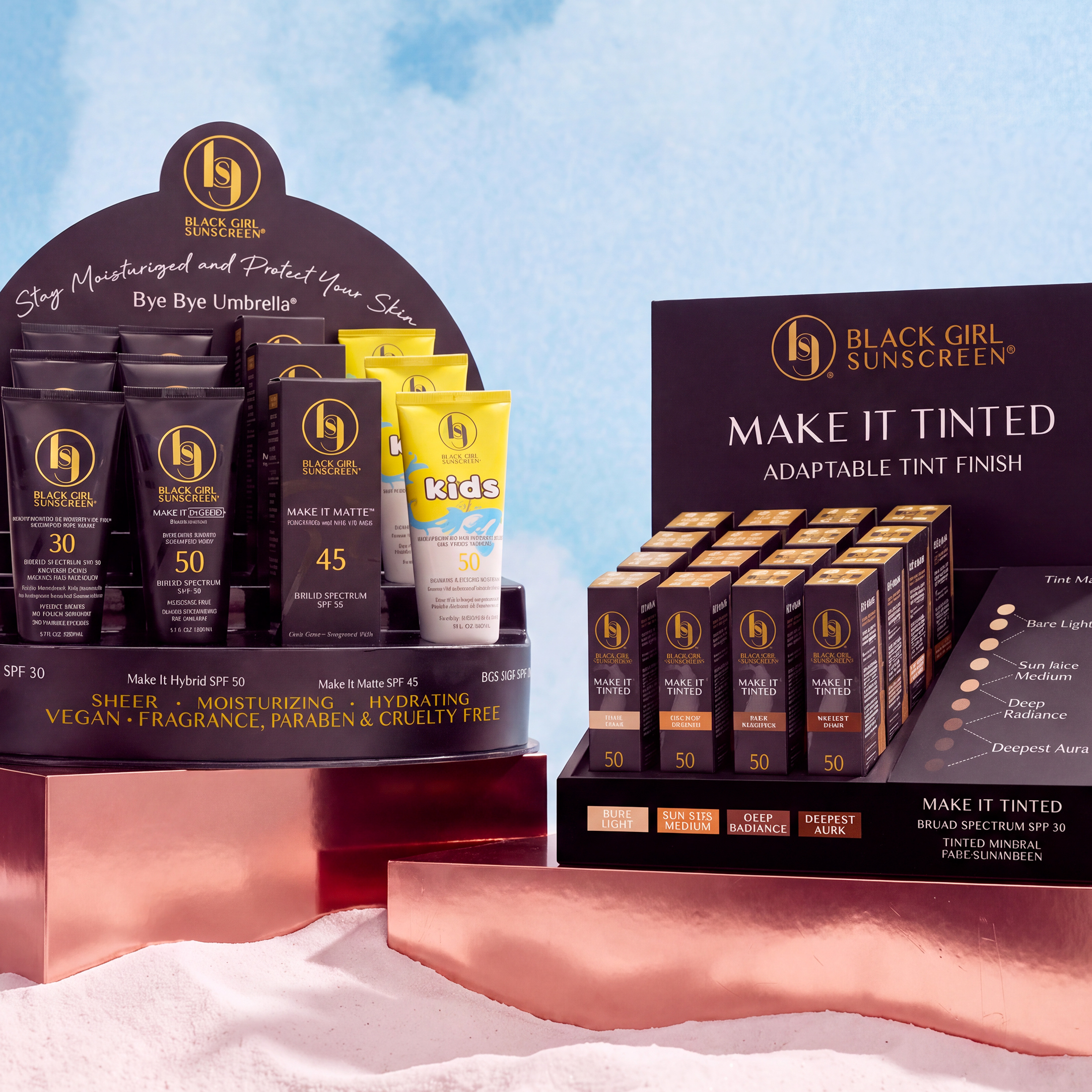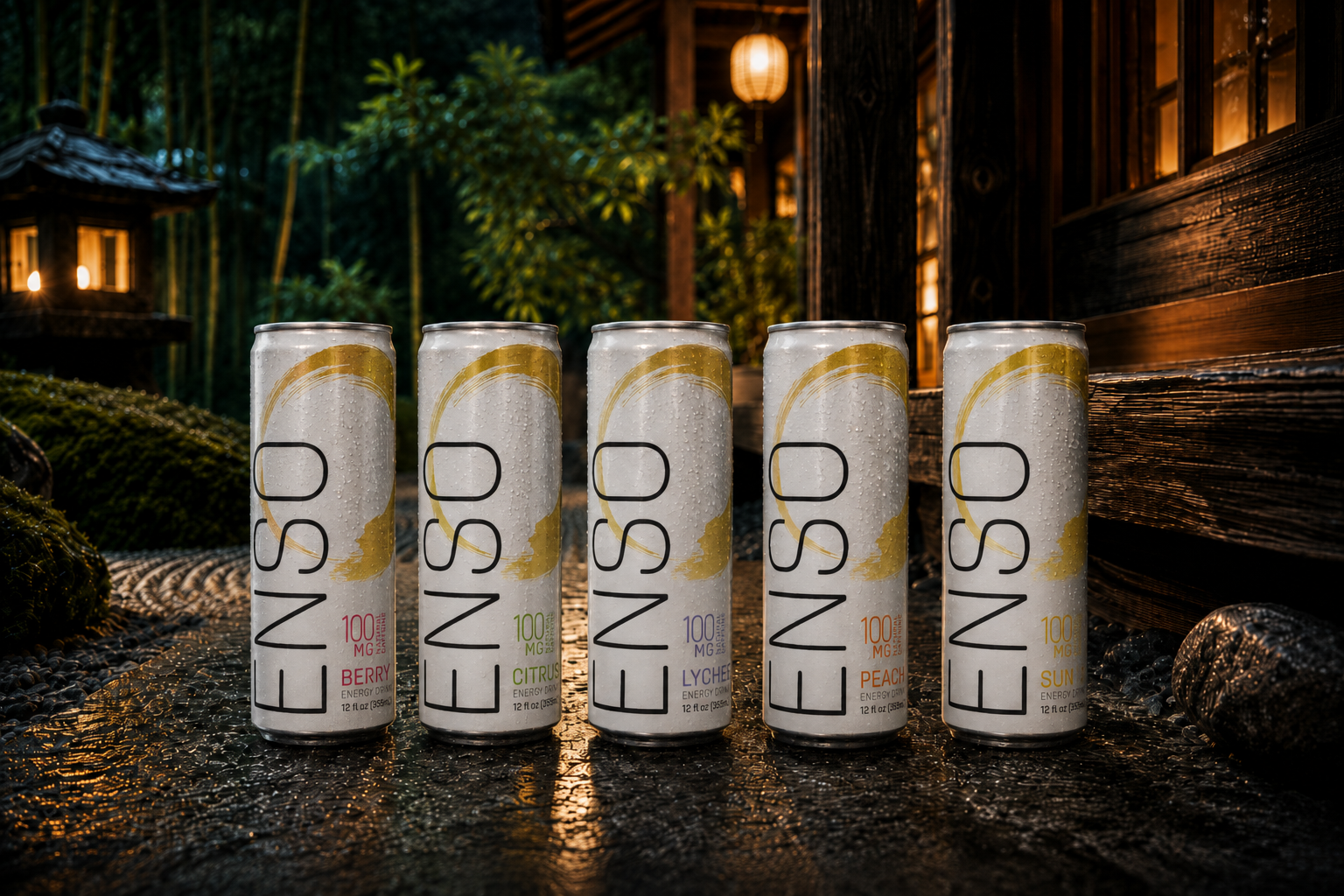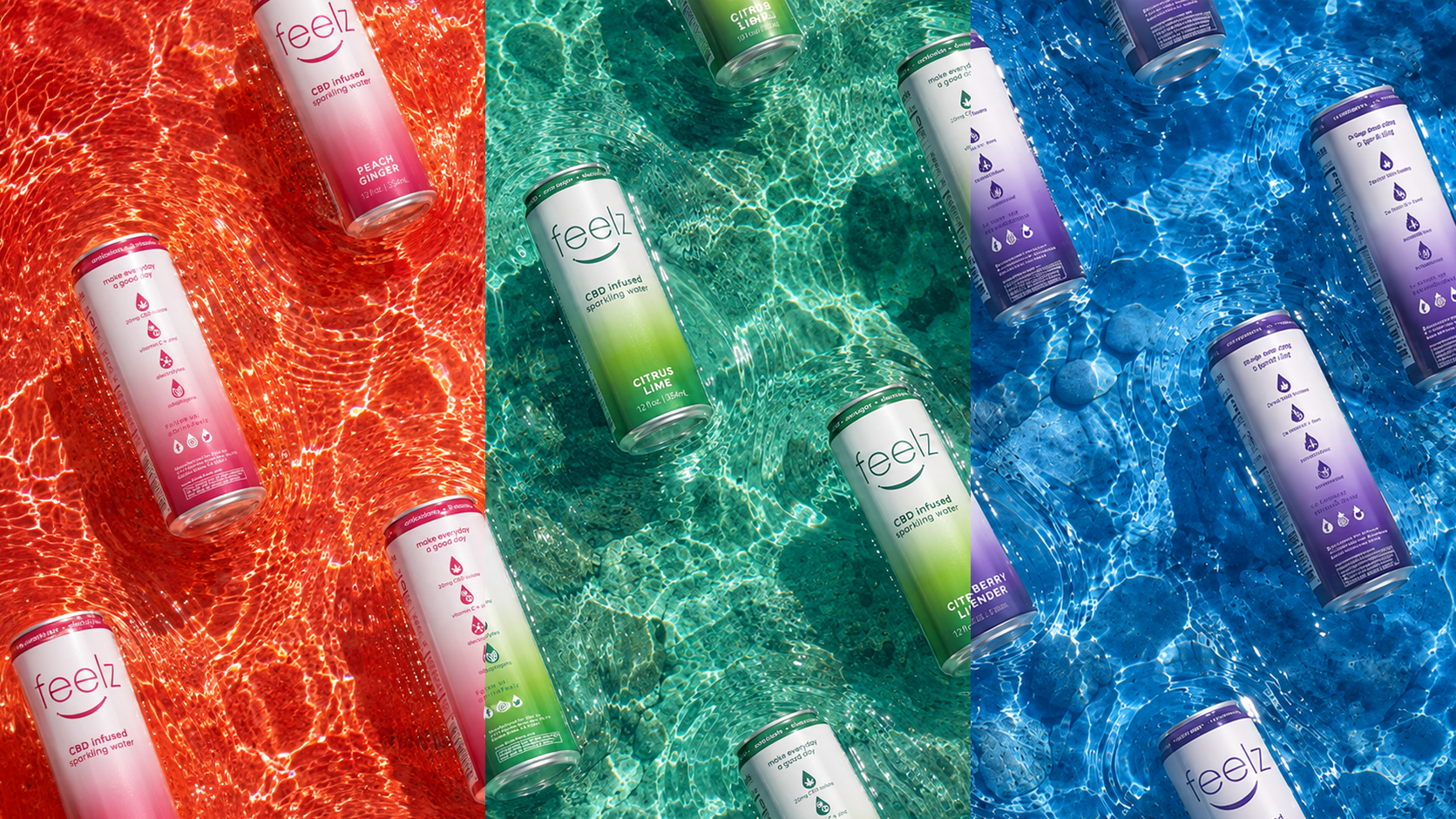
A product can have a beautiful logo and still have weak packaging.
It can also have attractive packaging that does not feel like a recognizable brand.
That usually happens when brand development and packaging design are treated as two unrelated projects.
For consumer products, they are deeply connected.
The package is often the place where the brand has to work hardest: on a shelf, in an ecommerce thumbnail, at a retailer presentation, in a social post, and eventually in a customer’s hand.
That is why developing the brand and the packaging together can create a much stronger system.
Packaging is where the brand becomes tangible
For many CPG, beverage, food, beauty, wellness, and specialty products, packaging is one of the most visible brand touchpoints.
The customer may never visit the company website.
They may never see an ad.
But they will see the package.
That means the packaging has to communicate a surprising amount in very little time:
- Who is this brand?
- What is the product?
- Who is it for?
- What makes it different?
- What should I notice first?
- Does it feel premium, approachable, healthy, playful, technical, natural, or innovative?
- Does it look like something I trust enough to buy?
Those decisions come from more than decoration.
They come from the brand.
A logo is not the whole brand
One common mistake is assuming that brand development ends once the logo is approved.
The logo is important, but packaging usually needs a much broader visual language.
That may include:
- typography
- color system
- graphic elements
- photography or illustration direction
- iconography
- tone
- product naming
- hierarchy
- SKU differentiation
- messaging priorities
Without those pieces, every new package becomes a new design problem.
One SKU looks one way. The next flavor goes in another direction. Then a multipack appears, followed by a new product category, and suddenly the brand has five visual personalities.
A stronger brand system gives packaging rules to grow from.
Positioning should come before decoration
Before asking whether a package should be green, gold, minimal, colorful, photographic, or illustrated, there is a more important question:
What should the product mean to the customer?
Brand positioning helps answer that.
A sparkling beverage could be positioned around refreshment, functional energy, wellness, indulgence, premium ingredients, or convenience.
Each direction may lead to a completely different packaging solution.
The design should express the positioning rather than invent it after the fact.
When the strategy is clear, visual decisions become much easier to evaluate.
Instead of asking, “Do we like this?”
you can ask:
“Does this communicate what the brand needs to communicate?”
That is a much more useful question.
Brand development creates consistency across SKUs
Consumer products rarely stay alone for long.
One product becomes several flavors.
Several flavors become different sizes.
Then come multipacks, limited editions, extensions, new categories, or retail displays.
This is where brand development becomes especially valuable.
A good packaging system needs both consistency and differentiation.
Customers should immediately recognize that the products belong to the same brand while still being able to tell them apart quickly.
That may be achieved through:
- consistent logo placement
- typography
- repeating graphic architecture
- flavor colors
- photography systems
- ingredient imagery
- icons
- background patterns
- product descriptors
The system provides enough structure to create recognition while leaving room for every SKU to have its own job.
Packaging can expose weaknesses in a brand
Sometimes a brand identity looks perfectly fine until you try to put it on a real package.
Then the cracks appear.
The logo is too detailed at small sizes.
The color palette does not provide enough differentiation.
The type system does not handle large amounts of information.
There is no clear secondary graphic language.
The identity works on a business card or website header but struggles when it has to support claims, flavors, ingredients, product benefits, legal copy, and retail hierarchy all at once.
That does not necessarily mean the brand needs to be thrown away.
Sometimes it simply needs to be expanded.
Packaging is a very effective stress test for a visual identity because it forces the brand to perform under real-world constraints.
Retail and ecommerce need the same brand to work differently
Packaging now has to succeed in more than one environment.
At retail, the package competes physically with the products around it.
From several feet away, color, silhouette, contrast, and hierarchy may matter most.
Online, that same package may appear as a tiny image on a phone.
Fine details disappear.
Small copy becomes invisible.
The brand still needs to be recognizable.
A strong identity system helps the packaging survive both situations.
It creates visual signals that remain identifiable even when the context changes.
Brand development also helps everything around the package
Once the brand and packaging system are established, the same visual language can extend naturally into:
- sell sheets
- retail displays
- trade-show graphics
- presentations
- social content
- launch materials
- sampling programs
- promotional materials
- ecommerce imagery
That consistency matters.
A retailer presentation should not feel like it came from one company while the packaging looks like it came from another.
The stronger the system, the easier it becomes to create additional materials without reinventing the visual direction every time.
Do brand development and packaging always need to happen together?
No.
An established brand with a strong identity may only need packaging design for a new product or extension.
Likewise, a company may develop a brand long before the physical product is ready.
But when launching a new consumer product, or when an existing brand is being substantially repositioned, developing the two together can eliminate a great deal of unnecessary backtracking.
The packaging gives the brand a real application.
The brand gives the packaging a foundation.
Each makes the other stronger.
Build a system, not just a package
A successful product launch needs more than one attractive object.
It needs a recognizable idea that can survive new SKUs, new formats, different retailers, ecommerce, marketing, production, and growth.
That is what connects brand development and packaging design.
One defines what the brand should communicate.
The other turns that idea into something people can see, understand, remember, and buy.
When those decisions are made together, packaging becomes more than something wrapped around the product.
It becomes one of the strongest expressions of the brand.
Launching a new consumer product or rethinking an existing brand? Pixellent Design provides packaging design and brand development for CPG, beverage, food, beauty, wellness, and specialty products in Los Angeles and beyond. Book a 15-minute consultation to discuss your project.