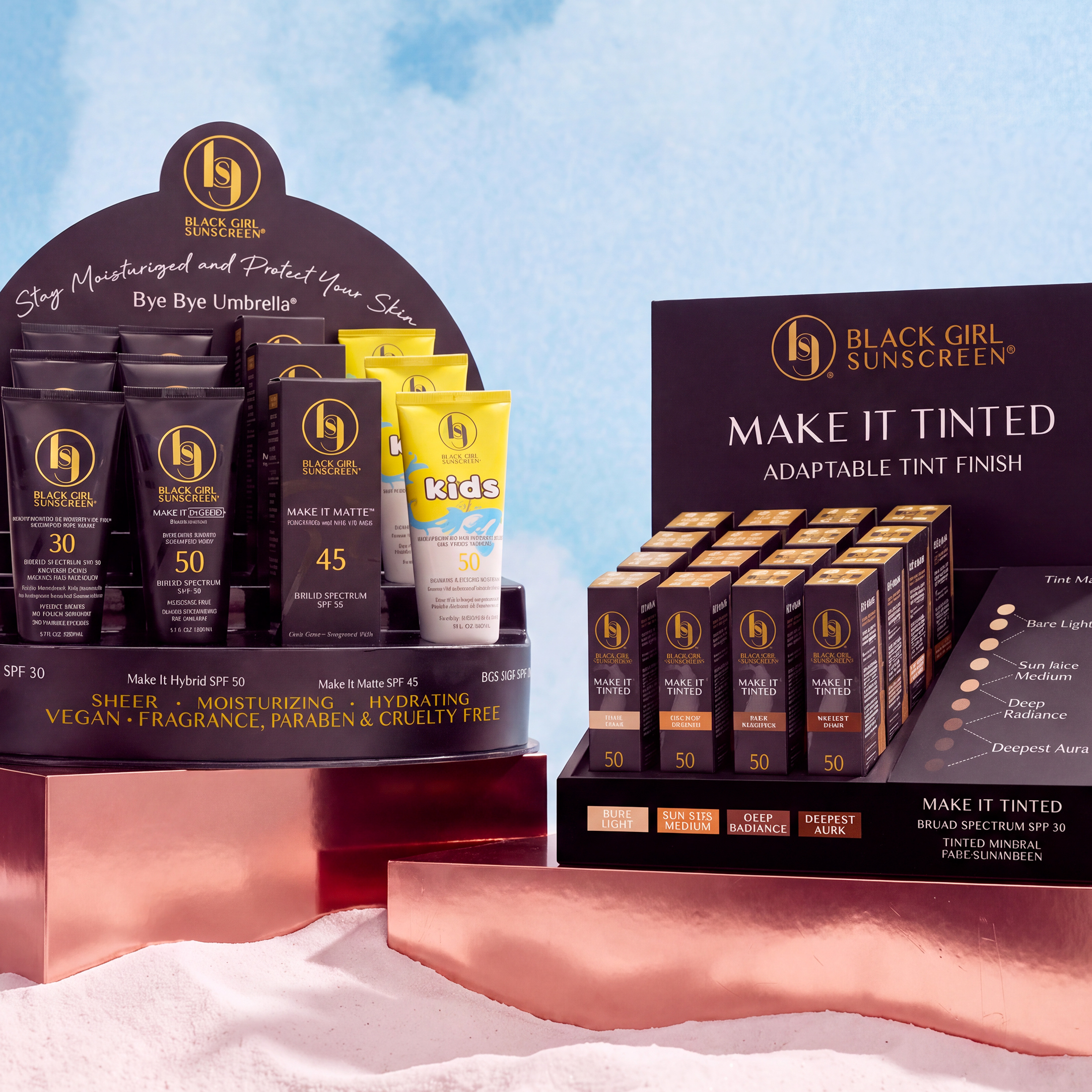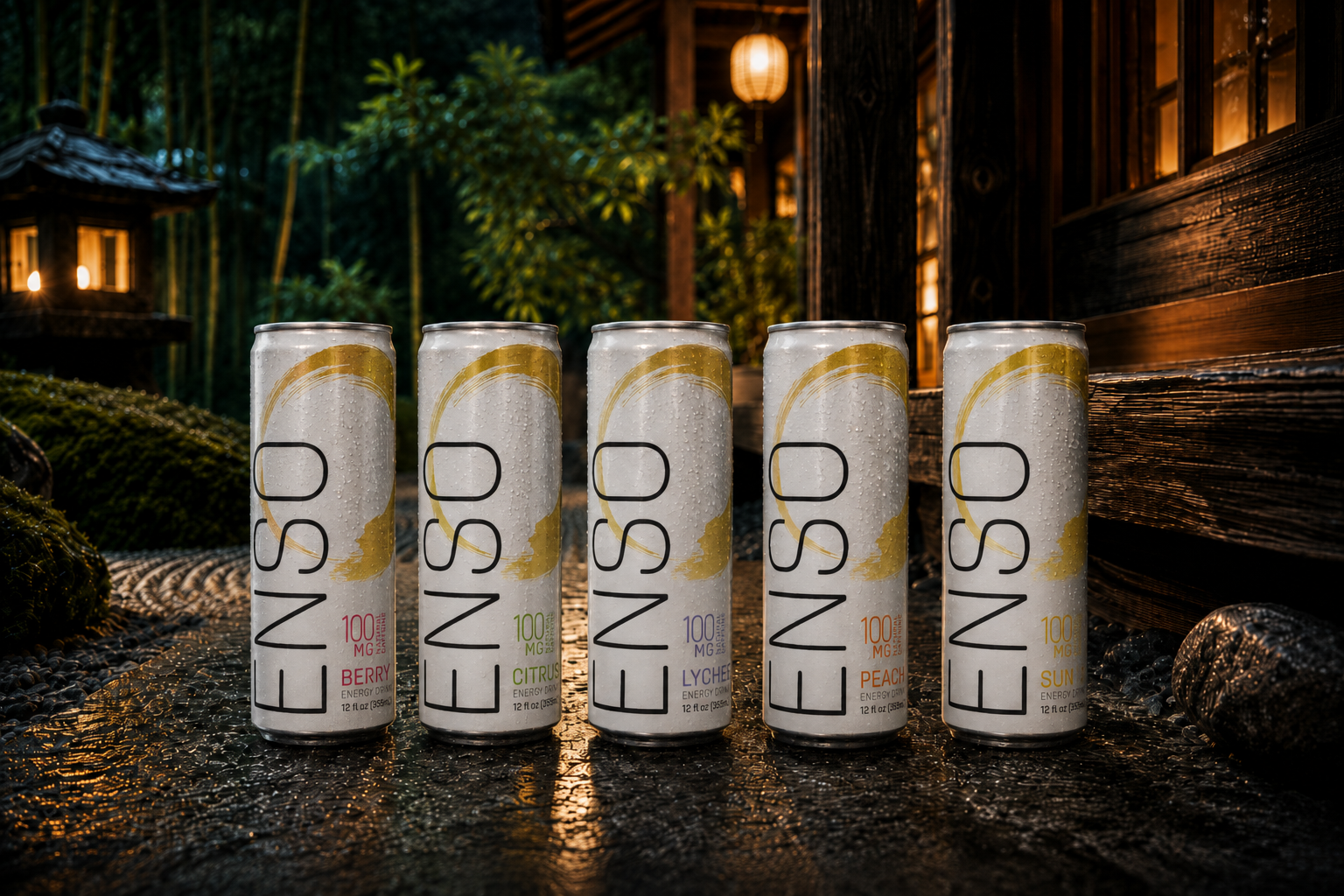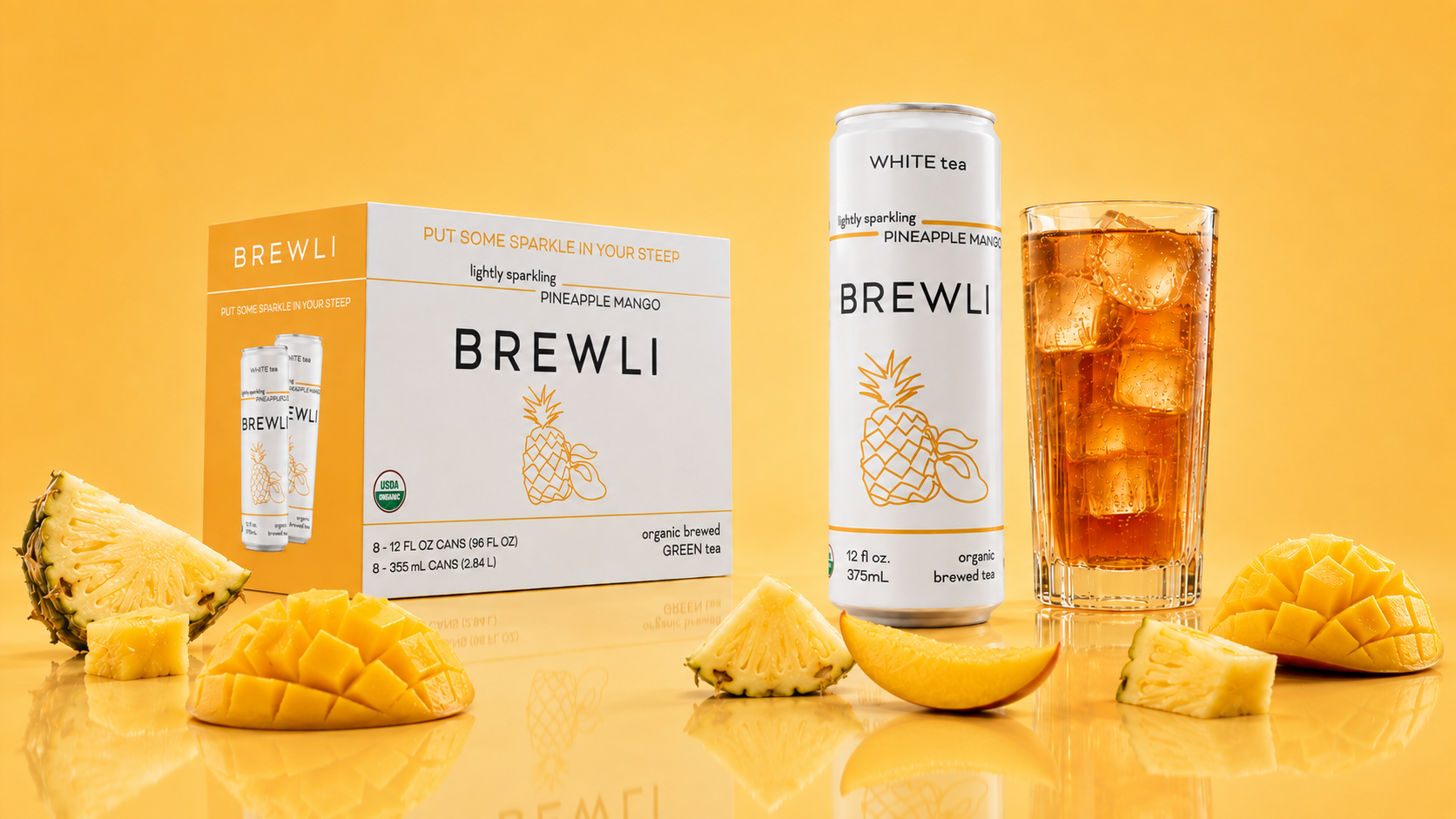
The packaging design is approved.
The colors look right. The hierarchy works. Everyone loves the final concept.
So the package is finished, right?
Not quite.
For many founders, this is the point where packaging suddenly becomes much more technical. The design now has to leave the screen and become a real object that can be printed, filled, assembled, shipped, displayed, and sold.
That transition from approved design to production is one of the most important stages of a packaging project.
Here is what typically happens next.
1. The design is adapted to the final production dieline
Packaging is designed around real dimensions, folds, seams, closures, print areas, and production tolerances.
Before final artwork can be released, the approved design needs to be applied to the exact production dieline supplied by the printer, converter, manufacturer, or packaging vendor.
That dieline may include:
- trim lines
- folds and scores
- glue areas
- seams
- bleed
- safety zones
- registration areas
- varnish or coating layers
- white ink plates
- foil or specialty-finishing areas
Even a small change in package dimensions can affect the layout.
That is why production artwork should always be built from the current vendor-approved specifications rather than an old template or approximate mockup.
2. Every panel gets reviewed again
Once the design is placed into the production file, every part of the package deserves another look.
The front panel may be the star of the show, but production files also include the less glamorous details that still matter:
- ingredients
- nutritional information
- directions
- warnings
- legal copy
- barcodes
- company information
- recycling symbols
- certifications
- flavor or SKU identifiers
The goal is to make sure everything is present, readable, correctly positioned, and safely inside the required production areas.
This stage often catches little things that were easy to miss during the creative phase.
3. Color becomes a production conversation
The color you see on a monitor is not automatically the color you will get in print.
Different packaging materials and printing processes reproduce color differently.
A color printed on an aluminum can may behave differently from that same color on paperboard, shrink film, a pressure-sensitive label, or a flexible pouch.
Production may involve:
- CMYK process printing
- spot colors
- metallic substrates
- opaque white ink
- transparent inks
- foil
- matte or gloss varnish
- specialty coatings
The designer and printer may need to determine how the approved design should be separated and reproduced to achieve the intended result.
This is also why physical proofs, drawdowns, press samples, or production references can be so valuable.
4. Finishes need their own instructions
If the package includes special finishes, those treatments usually require dedicated production layers or files.
Examples include:
- spot gloss
- matte varnish
- foil stamping
- embossing
- debossing
- soft-touch coatings
- metallic effects
- raised varnish
- specialty inks
These are not simply visual effects added to a Photoshop mockup.
They need to be clearly identified and prepared so the production vendor knows exactly where each treatment belongs.
The more complex the finish, the more important clear production communication becomes.
5. Barcodes and technical elements are checked
Barcodes deserve special attention because they need to do something very practical: scan.
They should not be stretched, compressed, distorted, placed too close to folds, wrapped around difficult surfaces, or reduced beyond recommended specifications.
Other technical elements may also require review depending on the product and package.
This is the stage where beauty and function have to coexist.
A package is not successful if it looks fantastic but fails at checkout, fills incorrectly, folds poorly, or creates unnecessary production problems.
6. The printer or manufacturer reviews the files
Once the production artwork is prepared, it is usually submitted to the printer or manufacturer for prepress review.
Their team may flag issues related to their particular equipment or process.
That might include:
- trapping
- ink coverage
- minimum line weights
- knockout areas
- white ink
- seam placement
- varnish boundaries
- image resolution
- color builds
- barcode positioning
A request from prepress does not necessarily mean the design was prepared incorrectly.
Different vendors have different equipment, workflows, and production requirements.
The important thing is having someone on the design side who can understand those requests and make the necessary adjustments without unintentionally changing the approved artwork.
7. A proof is generated
Before full production begins, the vendor generally provides some form of proof.
Depending on the process, this might be:
- a digital PDF proof
- a color proof
- a physical prototype
- a printed sample
- a press proof
This is the point where the artwork is checked against the approved design and production specifications.
Typical things to review include:
- copy
- placement
- colors
- dieline alignment
- barcode
- finishes
- SKU information
- dimensions
- image quality
Proof approval should never be treated as a quick formality.
Once production begins, fixing an error can become expensive very quickly.
8. Sometimes production requires adjustments
Even with careful preparation, the first production proof may reveal something that needs refinement.
A metallic effect may be too subtle.
A color may reproduce differently than expected.
A varnish boundary may need adjustment.
Text may need to move slightly because of a seam or manufacturing tolerance.
These changes are part of packaging production.
The goal is not to redesign the package at this stage. It is to protect the approved design while adapting it intelligently to the realities of manufacturing.
Production is part of the design process
Packaging design does not end when the concept is approved.
The final package has to survive the journey from creative idea to production line to retail shelf.
That requires both visual judgment and technical attention.
The strongest packaging projects consider production from the beginning rather than treating it as somebody else’s problem at the end.
Because ultimately, the package that matters is not the beautiful rendering on the presentation screen.
It is the one the customer actually picks up.
Preparing a product for production? Book a 15-minute consultation with Pixellent Design to discuss your packaging project and what it needs to move from approved design to finished package.