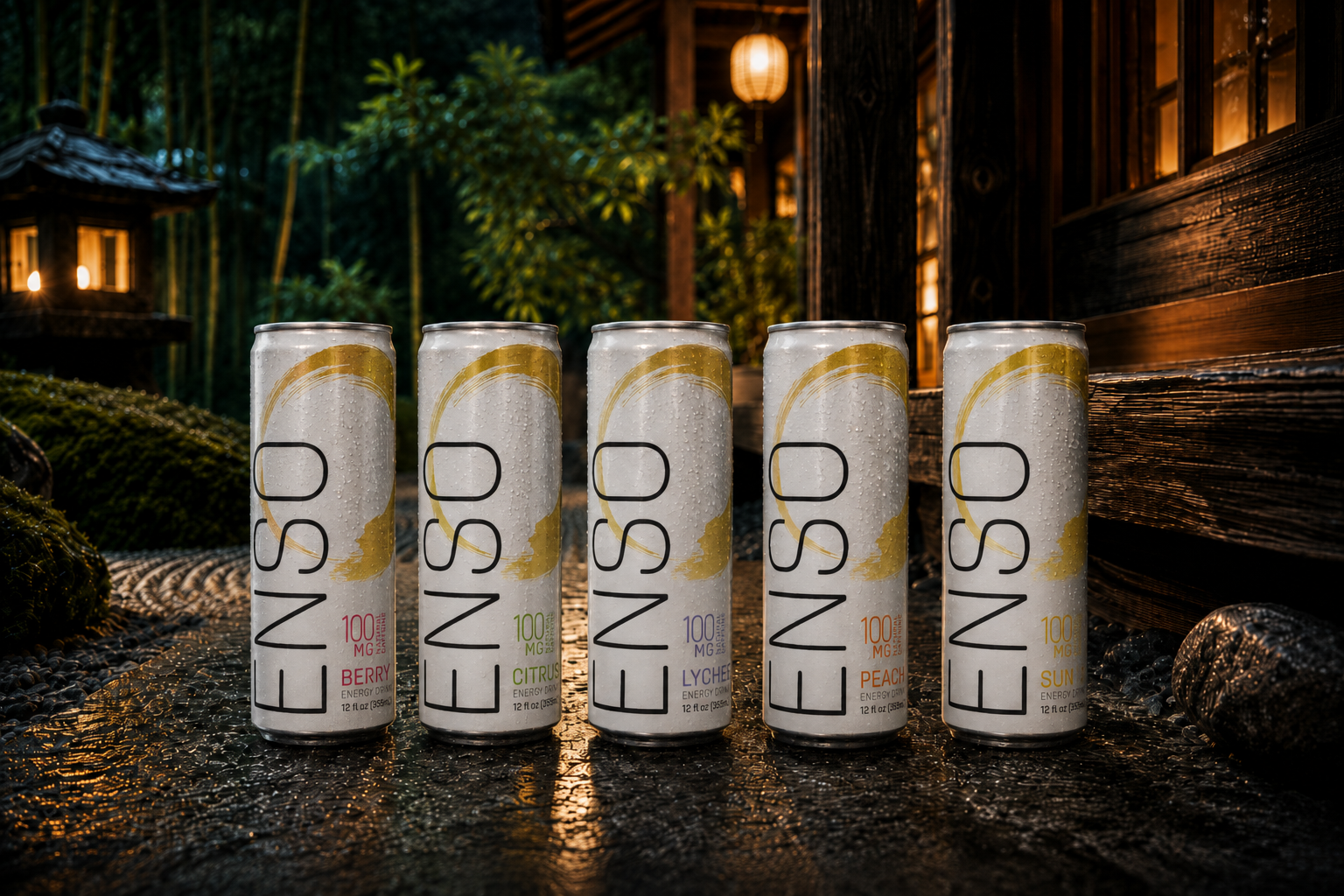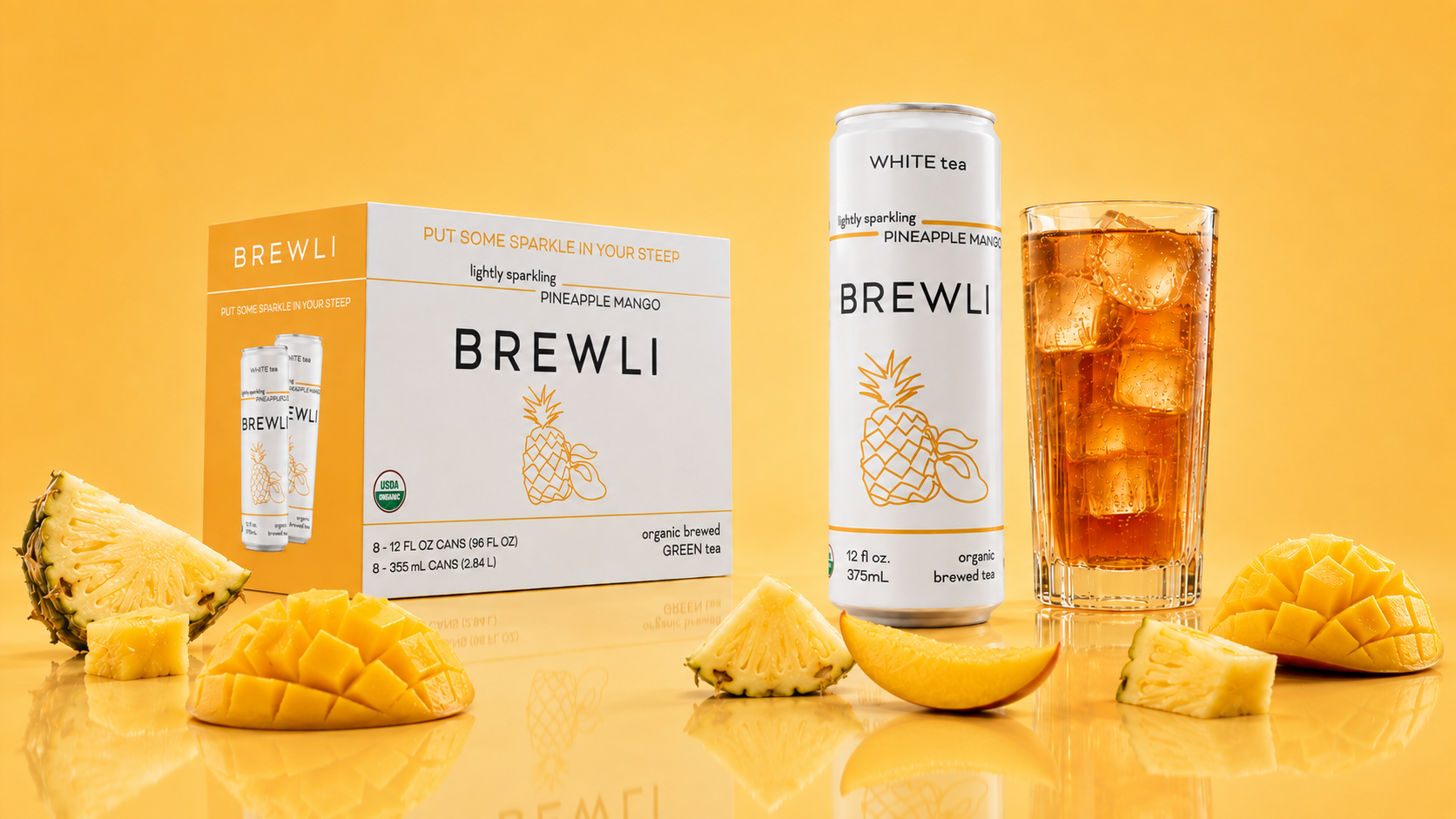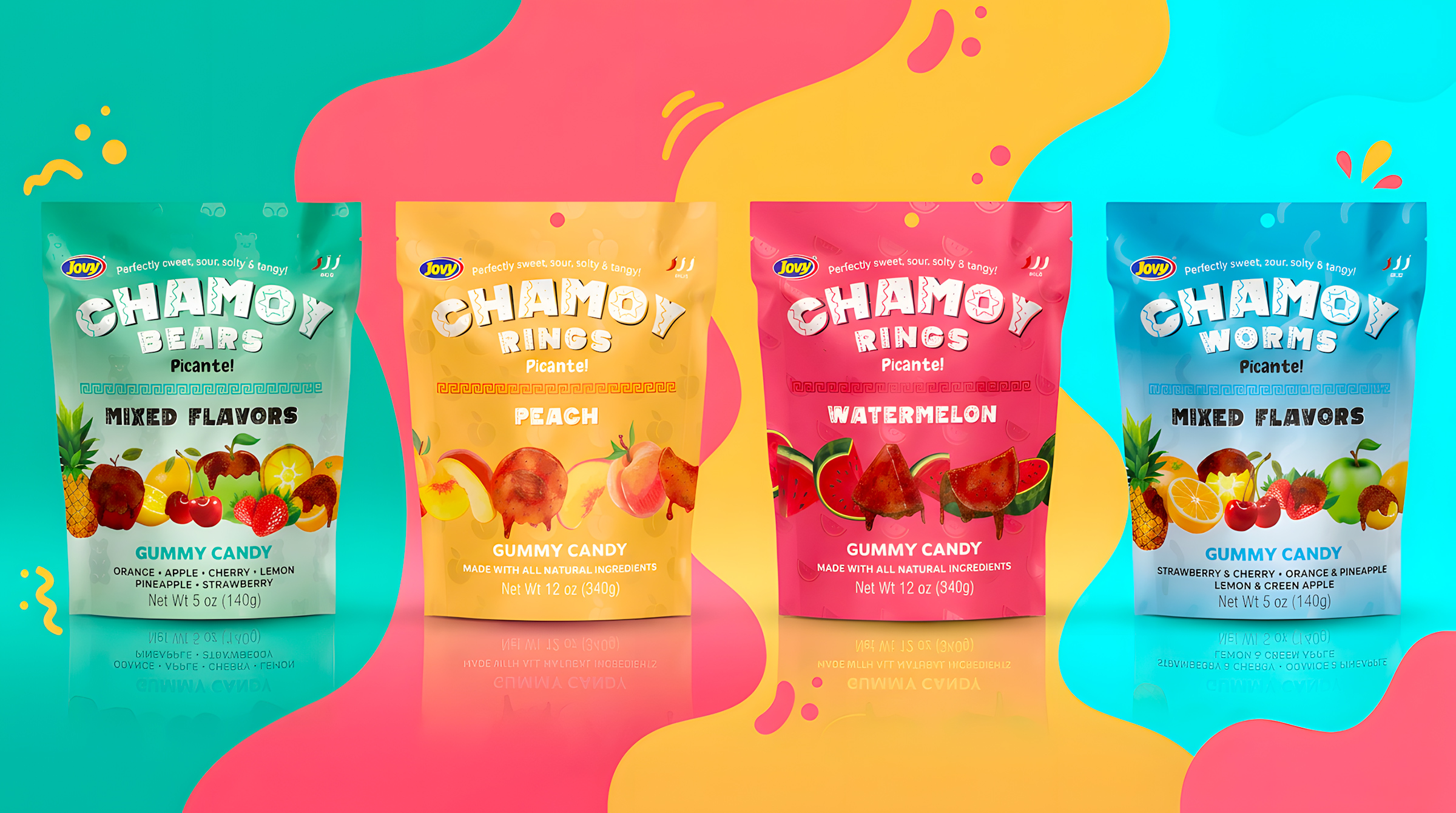
You know your product needs to look better.
Maybe you are launching something new. Maybe the current packaging feels dated. Or maybe a printer just sent you a dieline and you realized there is a bigger project hiding behind that innocent-looking PDF.
So what do you actually need?
A label designer?
A packaging designer?
Brand development?
Custom packaging?
Production-ready artwork?
These terms are often used interchangeably, but they do not always describe the same job. Understanding the difference can help you scope the project correctly before design begins.
What is label design?
Label design focuses on the printed label applied to an existing container or package.
That might include a label for:
- a bottle
- a jar
- a supplement container
- a cosmetic product
- a food container
- a beverage
- a candle
- a household product
The container itself already exists. The designer is working within a defined label size and shape.
A professional label design typically needs to organize the brand, product name, flavor or variety, claims, ingredients, Nutrition Facts or Supplement Facts, net contents, barcode, company information, and any other required content.
It also needs to work at the actual printed size.
Something that looks perfectly readable at 200% on a monitor may become surprisingly tiny when it wraps around a six-ounce bottle.
What is packaging design?
Packaging design is broader.
It considers not only the graphics placed on the package, but how the entire package communicates the product and brand.
Depending on the project, packaging design may include:
- labels
- cartons
- boxes
- pouches
- cans
- bottles
- tubes
- sleeves
- multipacks
- gift sets
- product families with multiple SKUs
- retail-ready packaging
It also considers hierarchy, shelf presence, brand recognition, materials, finishes, production requirements, and how the design extends across different products or formats.
In other words, a label may be one piece of a larger packaging system.
When is label design enough?
Label design may be exactly what you need when the brand is already established and the packaging structure is straightforward.
For example, you may already have:
- a finished brand identity
- an approved logo
- established colors and typography
- a standard bottle or jar
- a printer-approved label size
- final product copy
- one or only a few SKUs
In that situation, the job may primarily be about applying an existing brand effectively to a label and preparing the artwork correctly for print.
There is no reason to turn a focused label project into a full brand-development exercise when the foundation already works.
When do you need full packaging design?
The project becomes more complex when you are building the visual system itself.
You may need broader packaging design if:
- the product is completely new
- the brand is still being developed
- the current packaging needs a significant redesign
- several SKUs need to look related but distinct
- the package must compete strongly at retail
- you are introducing a new category or format
- custom boxes or secondary packaging are involved
- the packaging needs to scale across future products
This is where the designer needs to think beyond a single front panel.
A packaging system has to create consistency without making every product look identical.
One flavor may become six. One pouch may eventually become a carton, multipack, display, or different size.
Good packaging anticipates some of that growth.
What if the brand identity is not ready yet?
This is where packaging and brand development begin to overlap.
Packaging cannot do its job well if the brand itself has no clear visual language.
A logo alone is not a complete brand identity.
The packaging may also need decisions around:
- typography
- color system
- graphic elements
- photography or illustration style
- tone
- hierarchy
- product naming
- SKU architecture
- positioning
Sometimes these pieces already exist.
Sometimes the packaging project reveals that they do not.
If the brand identity is still being developed, it is often more efficient to solve those decisions together rather than designing a package first and trying to retrofit a brand around it afterward.
What about custom packaging?
Custom packaging adds another layer.
Instead of simply decorating an existing package, you may be developing a box, carton, sleeve, presentation kit, gift set, insert, or other packaging experience around the product.
That introduces questions about structure, materials, assembly, shipping, presentation, finishes, cost, and unboxing.
A beautiful custom box still has to work in the real world.
How will it be assembled?
How will the product sit inside it?
Will it survive shipping?
Will fulfillment be practical?
Can it be manufactured at the quantity you need?
Custom packaging works best when structural and visual decisions support each other from the beginning.
Design and production are not the same deliverable
Another important distinction is the difference between an attractive design concept and production-ready artwork.
A printer needs more than a JPG or presentation mockup.
Final packaging files may need:
- the correct dieline
- bleed and safety areas
- CMYK or spot-color setup
- image resolution appropriate for print
- barcode placement
- varnish or coating layers
- foil or metallic specifications
- white ink layers
- printer-specific technical requirements
The designer also needs to account for folds, seams, curves, trim areas, and other parts of the package that affect what actually gets printed.
The final file is where design meets manufacturing.
So which service should you ask for?
Start with the problem rather than the service name.
If your brand is established and you simply need artwork designed for an existing label, ask about label design.
If you are launching or redesigning a consumer product and need the whole visual packaging system developed, ask about packaging design.
If the brand itself is still undefined, brand development may need to happen alongside the packaging.
If you already have approved creative but need professional files prepared for your printer, the job may be primarily production artwork.
And if you are not sure which one applies, that is completely normal.
A good packaging designer should be able to look at where the project stands and help define the right scope before the work begins.
The goal is not more design. It is the right design.
Every project does not need every service.
The goal is to identify what already works, what is missing, and what needs to be created so the finished product can move confidently into the market.
Sometimes that means one label.
Sometimes it means a full packaging system and brand identity.
The important part is solving the right problem before production begins.
Not sure whether your project needs label design, packaging design, or broader brand development? Pixellent Design works with consumer product brands in Los Angeles and beyond. Book a 15-minute consultation and we can help you determine the right starting point.